01 / Trenchless rehabilitation
Renopipe Pipe Lining
Assess the existing pipeline before selecting a lining solution. Renopipe pipe lining brings survey findings, site preparation, installation and completion checks into a coordinated rehabilitation plan for suitable damaged or leaking pipe sections, with the aim of reducing excavation along the route.
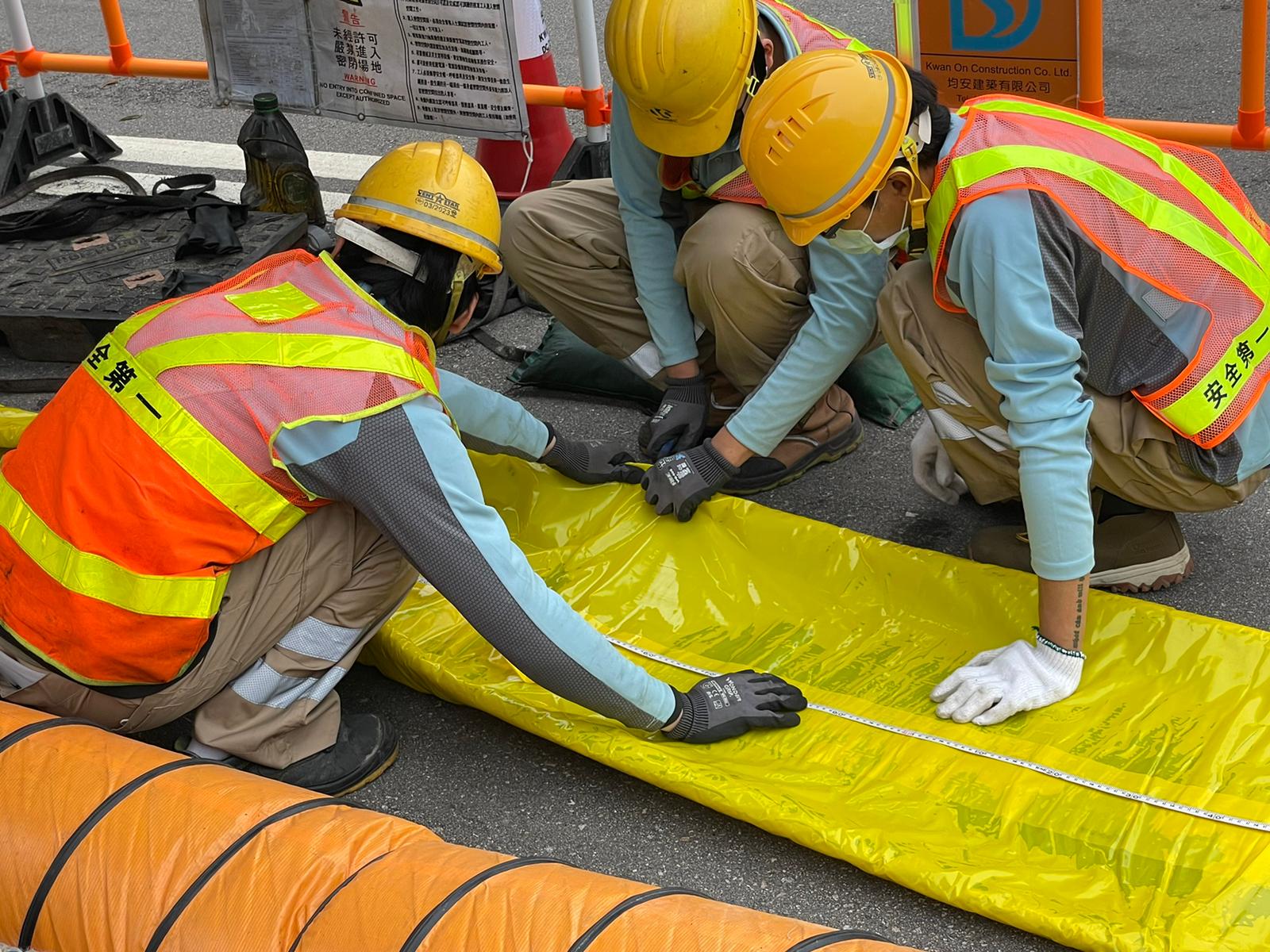
Applications
Assessment of damaged or leaking drainage and sewer sections
Rehabilitation planning for joint defects and repeatedly repaired pipes
Pipeline works where access, buildings or ongoing operations constrain excavation
Suitability depends on the host material, actual internal diameter, geometry, defects, lateral connections and installation access. Collapsed, significantly deformed or inaccessible sections may need preliminary work. Liner material, thickness, curing method and flow management are selected for the project; lining is not a universal remedy for every pipe condition.
Delivery approach
Understand the pipe
Review drawings, maintenance history and available survey footage to define the section and the defects that require attention.
Plan the preparation
Assess cleaning, obstruction removal, shutdown or bypass requirements, equipment access and the practical constraints of the site.
Coordinate the lining
Plan installation, curing and connection work around the selected material system and the agreed project method.
Check and hand over
Complete the agreed inspection or acceptance activities and compile the results, limitations and any outstanding follow-up items.
Planning & records
Records to agree during planning
- Rehabilitation scope and method information agreed for the project
- Material documentation applicable to the selected system and contract
- Installation and inspection records within the agreed work scope
- Completion imagery and follow-up items specified in the acceptance plan
Useful information for an enquiry
- Pipe location, use, known material and dimensions
- Drawings, existing CCTV footage or repair history
- Details of leakage, blockage or joint problems
- Access points, shutdown windows and site constraints
The scope, testing methods, record formats and acceptance criteria are agreed against site findings, client or consultant requirements and the contract.
Nathan Road condensing water main relining
Explore the work scope, site constraints and associated activities in the company project archive.
Read the project record ↗Common questions
Does lining eliminate all excavation?
Lining can reduce excavation along the pipeline, but access, connections and local damage still need assessment. Any excavation requirement is established through the project-specific survey and design.
Is the pipe diameter enough to select a liner?
No. Material, geometry, conveyed fluid, defects, lateral connections and installation conditions also matter. Existing drawings and survey records help establish an initial assessment.
Related services
Start with the conditions on site.
Share the location, pipe dimensions, operating use and available inspection records to discuss the next step with our engineering team.